
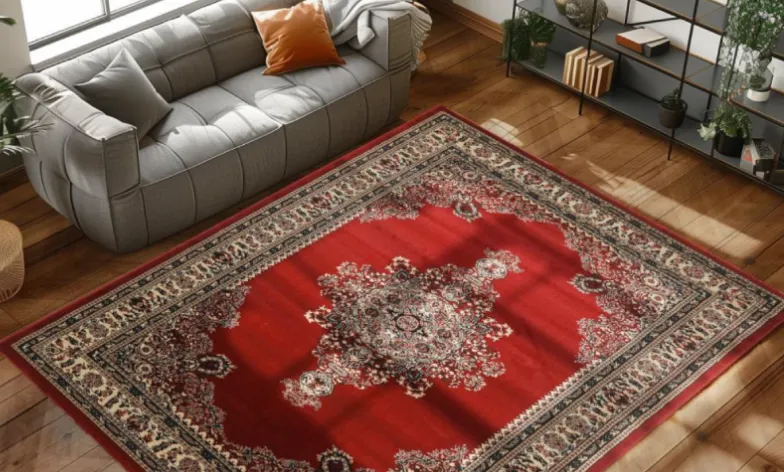
The art of weaving in Turkey, historically known as Anatolia, boasts a heritage that is among the oldest and most continuous textile traditions in the entire world. The earliest archaeological evidence of rug-making can be traced back to Central Asia, the ancestral home of the Turkish peoples, with the famous Pazyryk carpet (dating back to the 5th century BC) often cited as a crucial precursor. However, it was the arrival of the Seljuk Turks in Anatolia during the 11th century that firmly established the unique style and techniques associated with what we now call Turkish rugs. The Seljuks brought with them their advanced knowledge of knotting, quickly integrating with local traditions to form a distinct and influential style.
The true Golden Age of Turkish rug production flourished under the Ottoman Empire (14th to 20th centuries). Centers like Bergama, Ushak (Oushak), and Hereke became synonymous with royal quality and sophisticated design. European royalty and nobility avidly sought these rugs, often depicted in Renaissance paintings by masters like Holbein and Lotto, cementing their status as luxury items and high art. This history underscores that Turkish rugs are not merely decorative items; they are tangible, woven documents that reflect the migration, cultural exchange, and political power of civilizations across millennia, making each rug a profound piece of cultural heritage.
The Distinctive Symbolism and Meaning of Motifs
A key element that distinguishes Turkish rugs is the rich, complex language embedded within their motifs. Unlike the formal, courtly designs often seen in Persian weaving, many authentic Anatolian rugs, particularly those made by nomadic tribes and villagers, feature bold, geometric and stylized designs filled with deep meaning. These patterns served as a form of visual communication, often weaving stories of the weaver’s life, aspirations, and protective beliefs into the fabric.
Common motifs carry powerful symbolism: the **Elibelinde** (hands-on-hips) motif represents motherhood and fertility; the **Kocboynuzu** (ram’s horn) symbolizes power, heroism, and masculine strength; and the life tree motif signifies eternity, connecting earth and heaven. Furthermore, the use of color is equally symbolic. Red often represents happiness and wealth, blue signifies nobility and safety, and green is traditionally used to symbolize paradise and life after death. Understanding this symbolic language transforms the act of viewing a Turkish rug from simple appreciation to a deep, meaningful cultural exchange, linking the owner to centuries of tradition and belief.
The Technical Superiority of the Gördes Knot
The structural integrity and famed durability of authentic Turkish rugs are rooted in a specific technical feature: the Gördes (Symmetrical) Knot. This knotting method, unique to Anatolian and Caucasian weavers, involves looping the yarn around two warp threads and pulling it tight, ensuring each tuft is incredibly secure and stable. This technique results in a denser, robust pile that stands up to heavy wear much better than other methods, lending the rugs their legendary longevity. This knot also contributes to the slightly coarser, more rustic texture often associated with prized antique pieces.
Beyond the knot, the purity of the materials contributes to their enduring quality. Traditionally, the finest Turkish rugs were woven using hand-spun local sheep"s wool, rich in natural lanolin, which provides inherent resistance to dirt and staining. Furthermore, the reliance on natural vegetable dyes—derived from local roots, berries, and minerals—ensures that the colors mellow beautifully over time, developing a unique patina known as *abrash* (subtle color variations), which is highly valued by collectors. This combination of superior knotting and pure, natural materials makes a genuine Turkish rug not just a purchase, but a lasting, appreciating investment.
Leave a Comment