
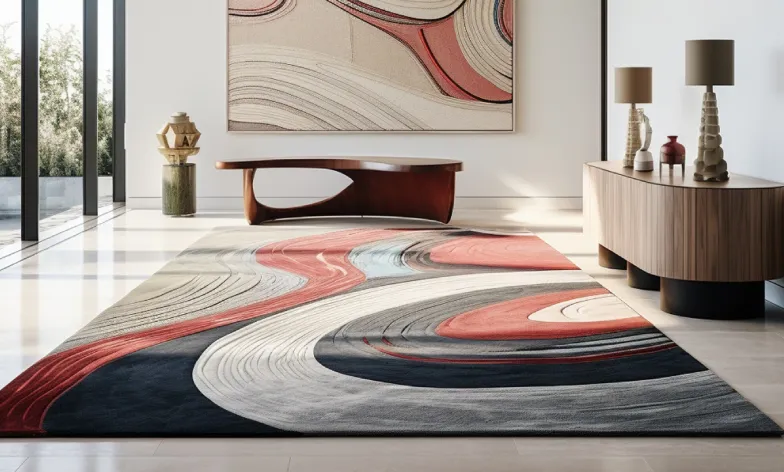
Layering rugs—the strategic practice of placing one rug on top of another—is an interior design technique that has exploded in popularity, moving far beyond Bohemian or eclectic styles. This method is a powerful tool for injecting depth, texture, and visual complexity into any living space, from minimalist urban apartments to large, traditional homes. The appeal of layering is twofold: aesthetically, it allows you to combine colors and patterns in unique ways, creating a look that is deeply customized and expressive. Practically, it is a brilliant solution for defining specific zones within open-plan living areas, making a large room feel more intimate, or simply covering less-than-ideal flooring without undergoing costly renovations.
A key function of layering is the ability to showcase a smaller, more expensive statement piece—such as a rare Persian or a vibrant Turkish rug—by using a larger, more neutral and affordable rug as a foundational base. This technique maximizes the impact of your prized piece while protecting its edges and extending its visual footprint. Furthermore, layering adds tangible cushioning and warmth underfoot, which is especially desirable in bedrooms or living areas with cold, hard flooring like stone or concrete, instantly boosting the room"s comfort level.
Choosing Your Foundation Rug (The Base Layer)
The success of your layered look hinges entirely on the foundation rug, which sets the scale and overall tone for the arrangement. This base layer should typically be the largest rug in the pairing and must be placed either flush against the main furniture grouping (e.g., under the sofa) or centered in the zone you wish to define. We highly recommend choosing a foundation rug with a neutral color, minimal pattern, and a low profile—think natural textures like jute, sisal, or a solid, low-pile wool rug in cream, beige, or soft grey. The purpose of this base is to provide a calm, unifying canvas.
When selecting size, ensure the base rug is large enough to anchor the space. For a living room, it should ideally extend beneath the front legs of all major seating pieces. For a dining area, it must be wide enough to accommodate the chairs even when they are pulled out. The texture of the base layer is also vital; rougher materials like jute add excellent tactile contrast against the smoother, softer fibers of the top layer, creating that rich, multi-dimensional look without overwhelming the eye with too much pattern. Always ensure the base rug is secured with a quality non-slip pad to prevent movement.
Selecting the Top Layer (The Statement Piece)
The top rug is where you introduce your personality, color, and drama. This piece should be noticeably smaller than the base rug, typically measuring two-thirds to three-quarters the width of the foundation, allowing a substantial border of the base layer to frame it. The top rug is the star; it should feature the bold patterns (e.g., intricate Persian medallions, geometric modern motifs) and rich colors that you want to highlight within the room’s design scheme.
Consider the pile height for the top layer carefully. To create an opulent, inviting contrast, we suggest choosing a higher, softer pile or a shaggy texture for the top rug if the base is low-pile or flat. This variation in texture adds significant luxuriousness and depth, making the layered area feel distinct and soft underfoot. Remember to coordinate your top layer"s colors with other accents in the room, such as throw pillows, artwork, or drapery, to create a cohesive and deliberate design narrative.
Rules of Placement and Harmony
While layering encourages creativity, a few foundational rules ensure the arrangement looks intentional and harmonious, rather than accidental. Firstly, the top rug should generally be centered within the negative space of the base rug, or perfectly aligned with the main axis of a central piece of furniture like a coffee table. Secondly, never layer two rugs of the exact same size; the contrast in scale is essential for the technique to work effectively.
Finally, when combining patterns, follow the rule of Pattern Contrast: if your top rug has a dense, complex pattern (like a traditional Iranian design), your base should be solid or feature an extremely subtle, neutral texture. Conversely, if your base has a muted stripe or weave (like a jute rug), you can introduce a top layer with a more contemporary geometric or abstract pattern. This thoughtful contrast ensures that both rugs contribute to the aesthetic without clashing, achieving a balanced and polished finish to your layered masterpiece.
Leave a Comment