
One of the most defining movements in contemporary rug design is the decisive embrace of Abstract Expressionism. Modern rugs are increasingly moving away from repetitive, predictable motifs and are instead acting as true canvases for spontaneous, painterly designs. These abstract pieces often feature fluid, non-geometric lines, large swaths of contrasting colors, and brushstroke-like effects that draw inspiration directly from 20th-century modern art movements. This trend allows the rug to function as the primary statement piece in a room, grounding the space with a dynamic sense of movement and visual complexity that instantly elevates a minimalist decor scheme.
This trend heavily relies on innovative color usage. While neutral and earth tones remain popular for foundational pieces, the abstract statement rugs frequently incorporate unexpected pops of color, such as cobalt blue, burnt orange, or emerald green, often used in asymmetrical and highly saturated applications. The intention is to create a sense of drama and intellectual intrigue, ensuring that the floor is just as visually stimulating as the walls. Abstract rugs are particularly versatile, as their lack of a defined pattern means they can harmonize easily with existing furniture styles without clashing, offering limitless potential for artistic expression.
Texture and Dimension: The Rise of Tactile Design
Contemporary design is placing a massive emphasis on the sensory experience, leading to a major trend focused on texture and dimension. Modern rugs are no longer flat; they are multi-dimensional landscapes created through variations in pile height, carving, and tufting techniques. We are seeing a proliferation of high-low pile construction, where carefully carved grooves delineate patterns and create subtle shadows, adding depth and a sculptural quality to the rug"s surface that is both visually engaging and luxurious underfoot.
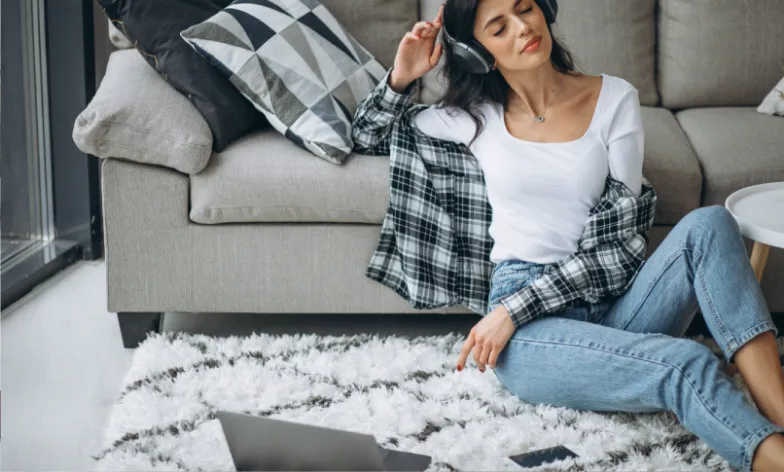
Materials like bamboo silk, Tencel, and high-quality synthetic blends are gaining traction due to their unique ability to catch light and provide an exceptional sheen, mimicking the look of traditional silk but often with greater durability and sustainability. Furthermore, the shaggy or Moroccan-inspired Beni Ourain style rug, known for its thick, soft pile and minimal graphic patterns, remains a cornerstone of the modern textural trend. These high-pile options introduce a comforting, organic element that beautifully offsets the hard, clean lines of modern furniture and architectural elements like concrete or glass.
Sustainable Materials and Ethical Sourcing
The conscientious consumer is driving a strong trend towards sustainability and ethical sourcing in modern rug production. Clients are increasingly seeking transparency regarding the materials used and the labor conditions of the artisans. This has resulted in a boom in popularity for rugs made from recycled or rapidly renewable resources. Rugs crafted from recycled PET bottles, natural hemp, and organic cotton are no longer niche; they are becoming mainstream choices for their reduced environmental impact and often unexpected durability.
Beyond the materials, there is a clear demand for hand-crafted quality over mass-produced goods, emphasizing the human element in textile production. Brands that prioritize fair-trade practices and utilize non-toxic, Azo-free dyes are gaining market share. This focus ensures that a modern rug investment is not just aesthetically pleasing but also aligns with ethical values, offering peace of mind. The modern trend is, therefore, not just about how the rug looks, but how it is made and the story it tells about its origin and commitment to a more sustainable future.
Leave a Comment